Applied AI adoption
Translating frontier models, accelerated computing and agentic systems into clear architectures, adoption paths and measurable outcomes.
Personal website. Views are my own and not those of my employer.
Skip to contentApplied AI · Life Sciences · Startups
I work at the intersection of science, technology and company-building—helping founders and enterprise leaders turn ambitious AI research into products that reach patients, users and markets.
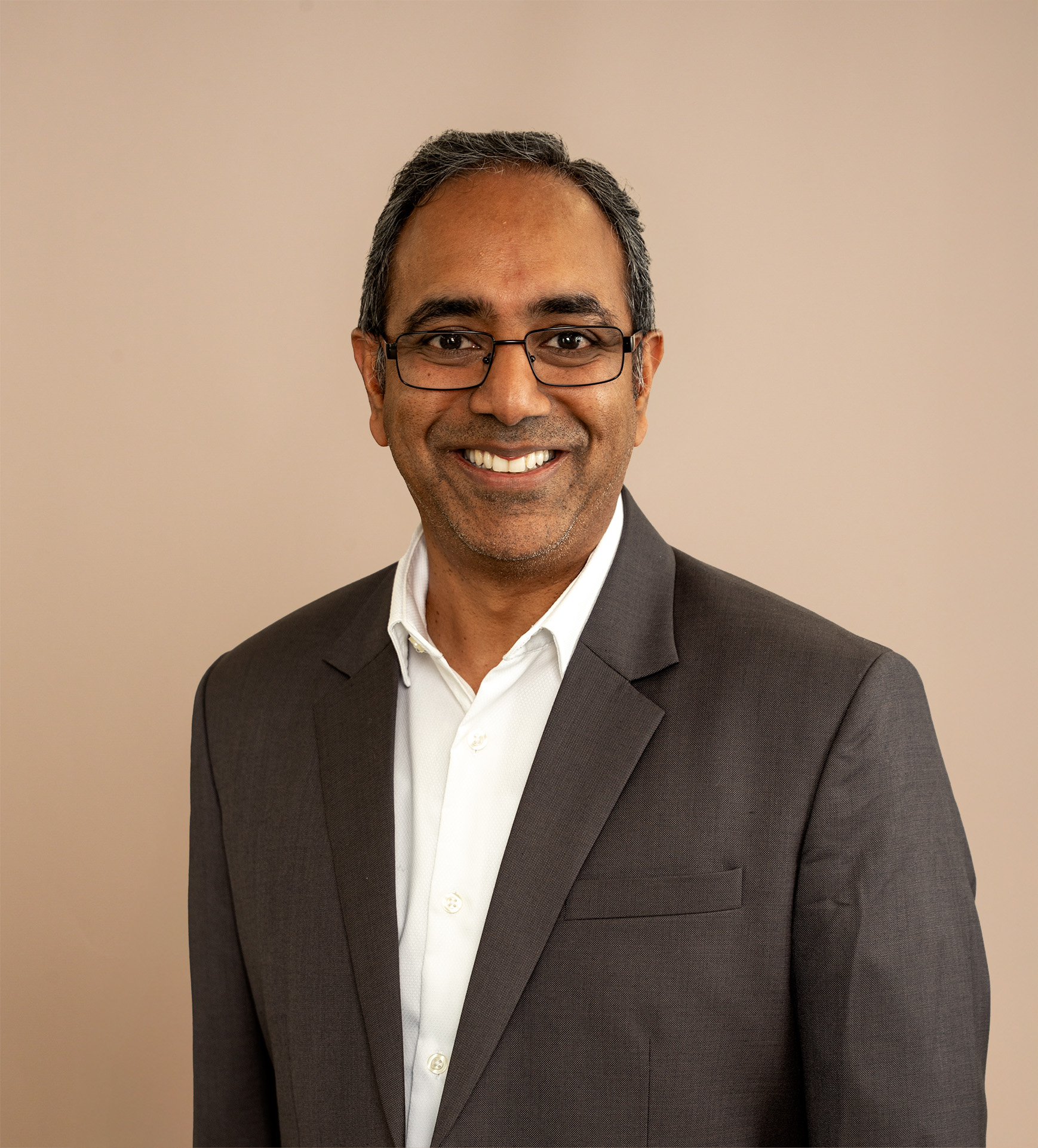
Where I work
My work connects technical depth with the commercial and organizational decisions required to make AI useful in the real world.
Translating frontier models, accelerated computing and agentic systems into clear architectures, adoption paths and measurable outcomes.
Bringing first-hand understanding of molecular science, drug discovery, clinical technology and biopharma transformation to every conversation.
Working with founders and C-suite teams on technical strategy, ecosystem leverage, go-to-market design and the move from research to production.
Featured essay · 6 min read
AI drug discovery cannot stop at a promising binding score, QSAR profile or early toxicity result. The harder test is whether a program can survive development, cross Phase 3 and become a medicine that creates value for patients and the people building it.
Read the essayWhat I’m exploring
Working preprint Ideas in development
And treatment as a navigable path back toward health?
Disease may be encoded in the relationships among genomics, cells, proteins, imaging and clinical history—not in any single signal.
Rather than defining one universal “normal,” I am exploring a healthy reference shaped by tissue, age, ancestry, sex and environment—and how far a patient’s biology has moved from it.
Could therapy be designed as a sequence of measurable biological waypoints, with explicit moments to reassess progress, switch interventions or redraw the route?
The technical question
Can diffusion-based expert systems reason across incomplete multimodal evidence while explicitly representing what they do not know?
Early research direction. These concepts are still being developed and have not been clinically validated.
Interested in this direction? Let’s compare notesThe trajectory
Scientific foundations
PhD-trained at Heidelberg University, using molecular simulation to investigate the mechanics and energetics of biological systems.
Biopharma transformation
At Roche, worked across science, data and enterprise technology on complex transformation programs in a global biopharma environment.
Cloud and customer engineering
At Google, helped HCLS organizations translate cloud architecture and AI into adoption, with experience spanning executive sponsorship, Google Cloud and DeepMind collaborations.
AI and founder acceleration
At NVIDIA, leads HCLS startup engagement across EMEA—supporting founders and working with product, solution architecture, sales and ecosystem teams around their path to scale.
Selected research
Peer-reviewed work in computational structural biology continues to shape how I think: mechanisms matter, transitions matter and the path between states is often the real problem.
Start a conversation
I’m always interested in the hard questions behind turning breakthrough science into durable products and companies.
Connect on LinkedIn